
Current Projects
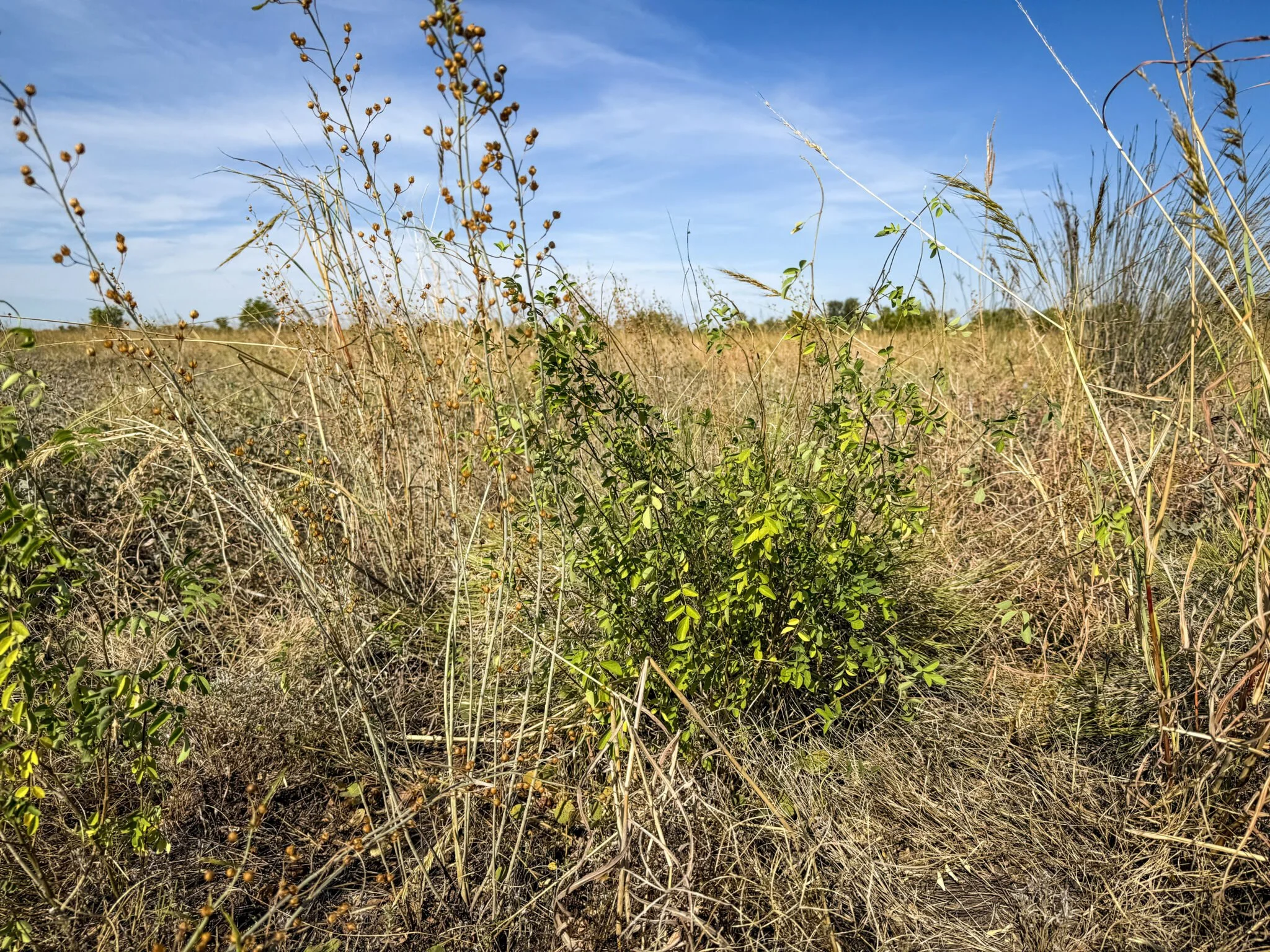
Demonstrate Increasing Legumes in native pastures
Delivered by: WA Dept of Primary Industries & Regional Development & NT Department of Agriculture & Fisheries
‘Stylo’ is an introduced legume that can extend protein availability of native pastures into the dry season.
This project was originally been built on 9 demonstrations sites in WA and then was extended into QLD and the NT with small plot field trials on Kidman Springs and Mt Sandford. Approximately 500kg seed was provided and now monitoring continues of the stylo establishment. Stations involved are Spring Creek, Springvale Aggregation, Larrawa, Jubilee Downs, Diggers Rest, Dampier & Country Downs and Limestone.
In the NT, read here recent updates from the legume demonstrations https://futurebeef.com.au/updates-from-the-legume-demonstration-in-vrd-nt/ .
In WA, feedbase scientists are working with their counterparts in northern QLD to further research into over-sowing legumes.
Hear from the experts in the field in the videos below. Pasture scientists Kendrick Cox and Craig Lemin (DPI Qld), with pastoralist Kelvin Bethel from Georgetown and Senior Agronomist Stan Paynter (Selected Seeds), as they explain the benefits of over-sowing stylo and other legumes into native pastures.
Watch 2 videos here: https://youtu.be/5VE2vPVokVM?si=Ca-njkOosles7PNq
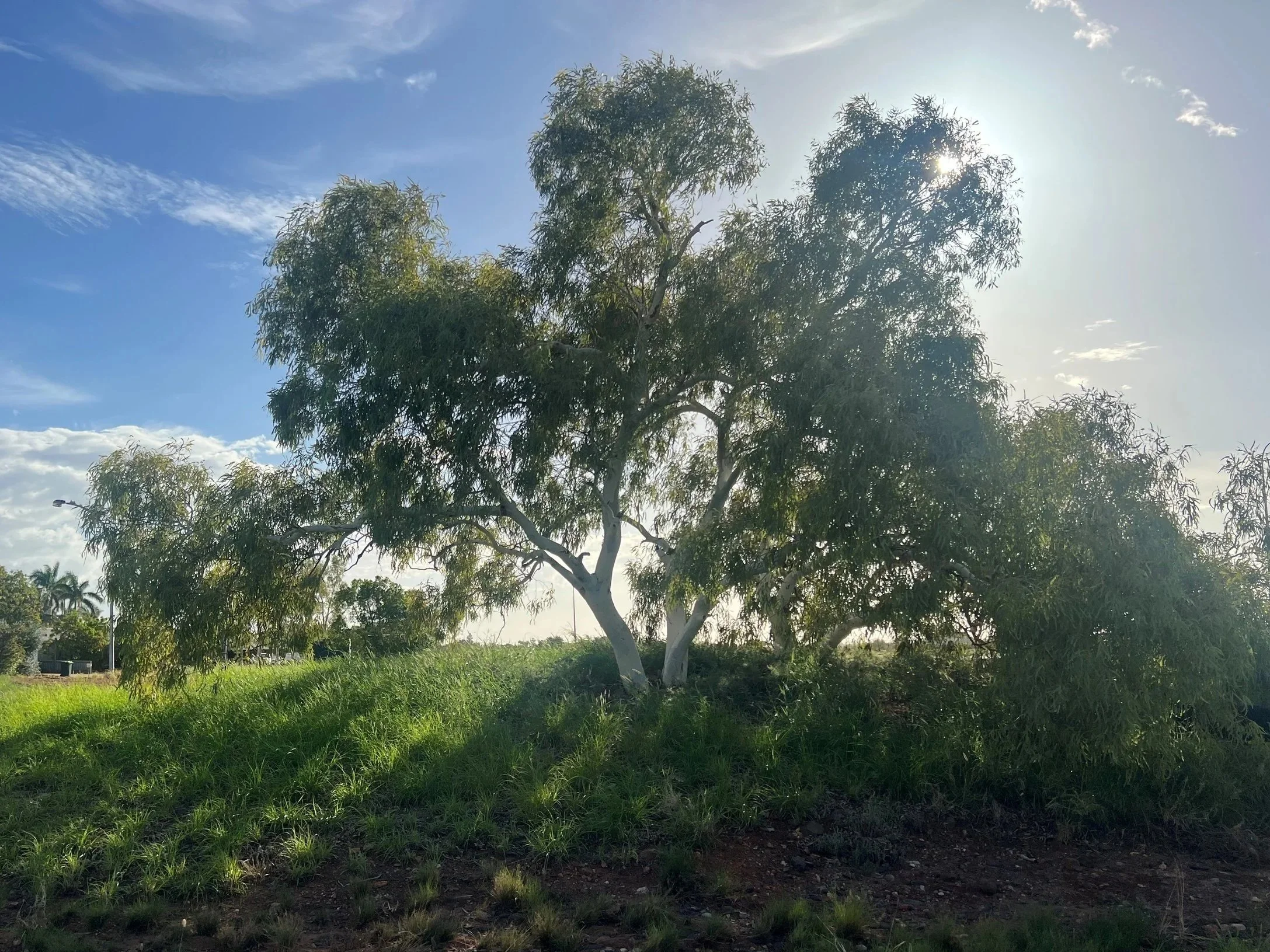
Understanding Natural Capital: Opportunities and Barriers
Delivered by: Northern Territory Cattlemen’s Association (NTCA)
Natural capital markets are a potential diversification opportunity for pastoralists and an income and employment source for First Nations, that can provide critical financial support/incentive to increase ecological health and resilience to drought, especially in degraded rangelands.
Meanwhile, land managers are faced with conflicting policy settings across the layers of government. In the north, most pastoralists are lease holders rather than landowners, creating further complexity in their rights and opportunities to participate in projects on Native Title-determined lands.
Project objectives:
To identify supportive and conflicting policies that affect the take-up of natural capital markets in the northern rangelands
To raise awareness of the opportunities available to land managers
Natural Capital Roadshow in NT & WA
Learn about practical approaches to holistic land management, regenerative agriculture and nature-based solutions, and how they can support productive, profitable and resilient beef businesses.
Hear from industry voices and chat with likeminded producers as we unpack what natural capital means on the ground and the emerging opportunities for land managers. (For more information, email Natasha- policy@ntca.org.au )
Kununurra – Monday 31 August
Broome – Wednesday 2 September
Darwin – Monday 28 September
Katherine – Wednesday 30 September
Alice Springs – Friday 2 October
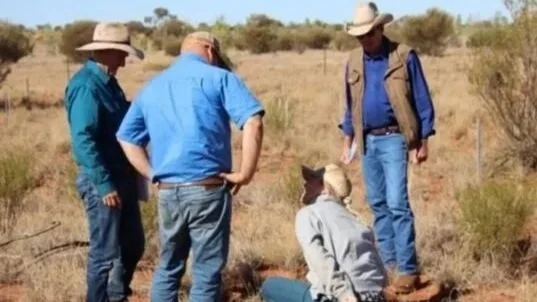
Spinifex Pastures… prominent in the north but lacking research until now
Delivered by: Kimberley Pilbara Cattlemen’s Association & supported by WA Dept Primary Industry & Regional Development & NT Dept of Ag and Fisheries
Despite their widespread presence on pastoral leases across northern Australia, Spinifex pastures are rarely featured in workshops or publications.
To help address this, a collaborative project was undertaken to bring together relevant mapping data, existing publications and resources, and knowledge held by experienced land managers and stakeholders in the Gascoyne, Pilbara, Kimberley regions as well as into the NT.
How? A series of face-to-face interviews were conducted to obtain knowledge from land managers and researchers in these regions.
Led by the Kimberley Pilbara Cattlemen's Association and jointly funded by the Northern Hub, through funding from the Australian Government’s Future Drought Fund, and the Department of Primary Industries and Regional Development, this project commissioned two reports to capture current knowledge and highlight knowledge gaps around spinifex pastures.
Two final Reports
Insights into Spinifex Pastures and their Management
https://share.google/4oPY4jw7ac9OnCZlJ
2. Spinifex Pastures: Characteristics & Management
https://share.google/Mtp4YdPwJSN7ejN7V
For all Fact Sheets: https://northernhub.au/resource
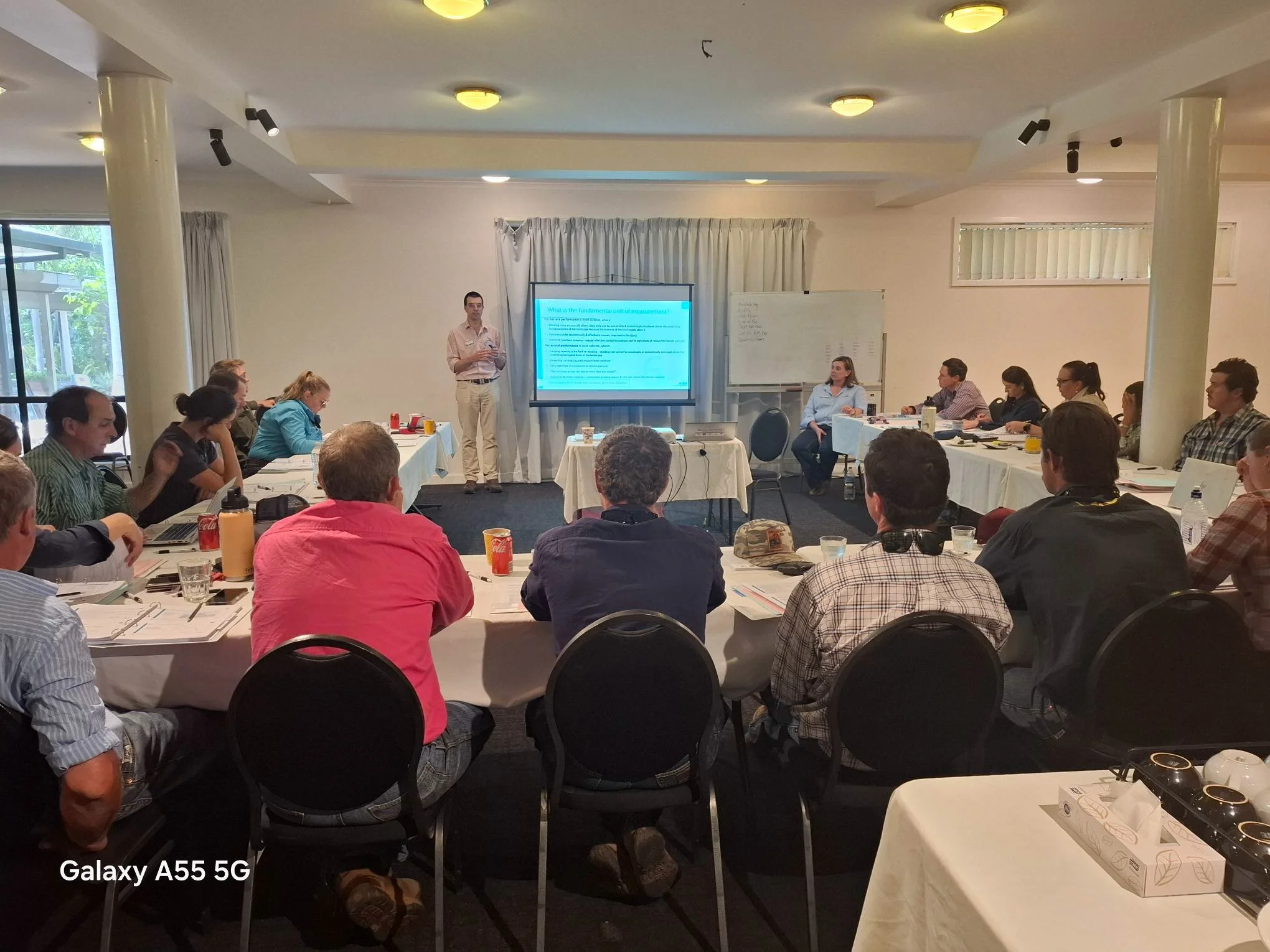
Interpreting Weather Forecasts with NACP

Building Skills
Delivered by: Kimberley Pilbara Cattlemen’s Association (KPCA) and NT Cattlemen’s Association
Over the past 12 months, KPCA and NTCA worked in collaboration with the Northern Hub’s Funding to deliver Financial Literacy and Planning workshops to producers in NT and WA.
The Business EDGE workshop is a two-day event aimed at strengthening financial and business management skills. The highly reputable course was offered in Katherine, Pt Hedland, Broome and recently in Alice Springs and was mostly sold out in all locations!
Delivered by Bush AgriBusiness, participants took a deep dive into the principles of economic sustainability and financial literacy. They were guided through the fundamentals of interpreting financial data and understanding how profitability and cash flow shape the long-term viability of their operations. A key focus of the workshop was helping pastoralists assess and measure whole business performance and enterprise-level outcomes.
With the Northern Hub’s funding, it has enabled producers to attend at a heavily subsidized rate.
While technical capability across the northern cattle industry remains strong, programs like this are helping address a clear gap by building confidence in the financial side of the business. This course has been extremely valuable for station staff who are working towards management roles.
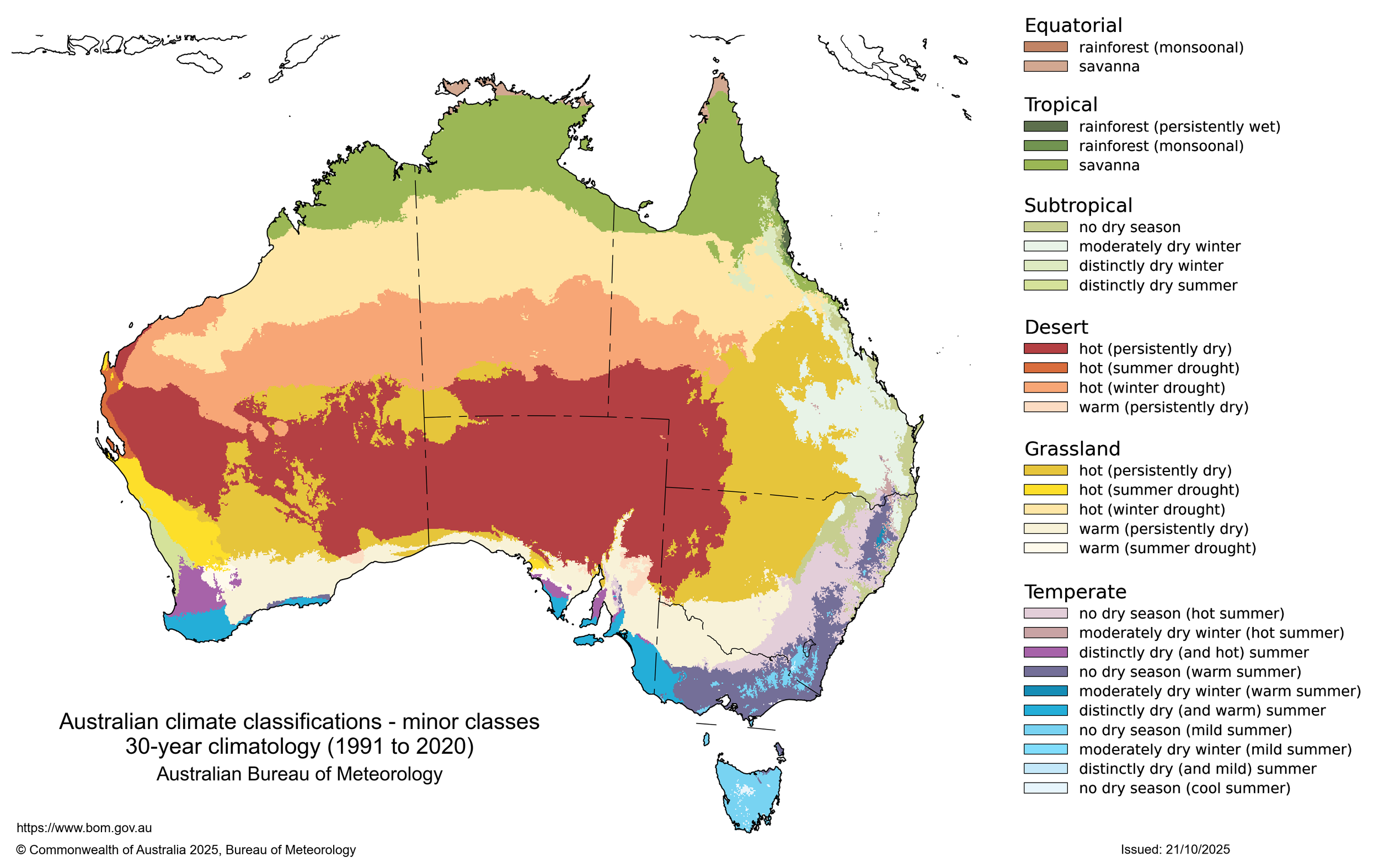
Delivered by: NACP - Northern Australia Climate Program & University of Southern Queensland
Climate roadshows enable people who work in climate modelling to travel out to remote locations to explain how the models actually work to those who use them. The result is two-way; pastoralists respect the modellers, and modellers learn how their tools are perceived and used. Roadshows will be completed in the Gascoyne, Barkly, Kimberley and Alice Springs regions.
What is a climate mate? How can NACP help you with decision making?
check out their short videos which explain this and more!
For more information, contact NT’s Climate mate: emily.hinds@bom.gov.au visit https://www.nacp.org.au or facebook/nacp
Yarning with peers – knowledge exchange among First Nations Forestry Corporations
Last October, Exchange visits were arranged between two indigenous-owned forestry enterprises; Tiwi Plantations Corporation (TPC) and Gumatj Corporation.
The two corporations have different histories, business models and regional contexts, but they share a commitment to managing their forests for preserving culture, their environment and simultaneously achieving economic outcomes.
In the 15+ year history of the corporations, none of the directors had ever visited the other corporation.
Elders told stories of links between Yolngu and Tiwi people and identified deep-rooted kinship ties that could be strengthened through forestry.
The project aimed to strengthen business capability, explore diversification, and build partnerships between the two corporations.
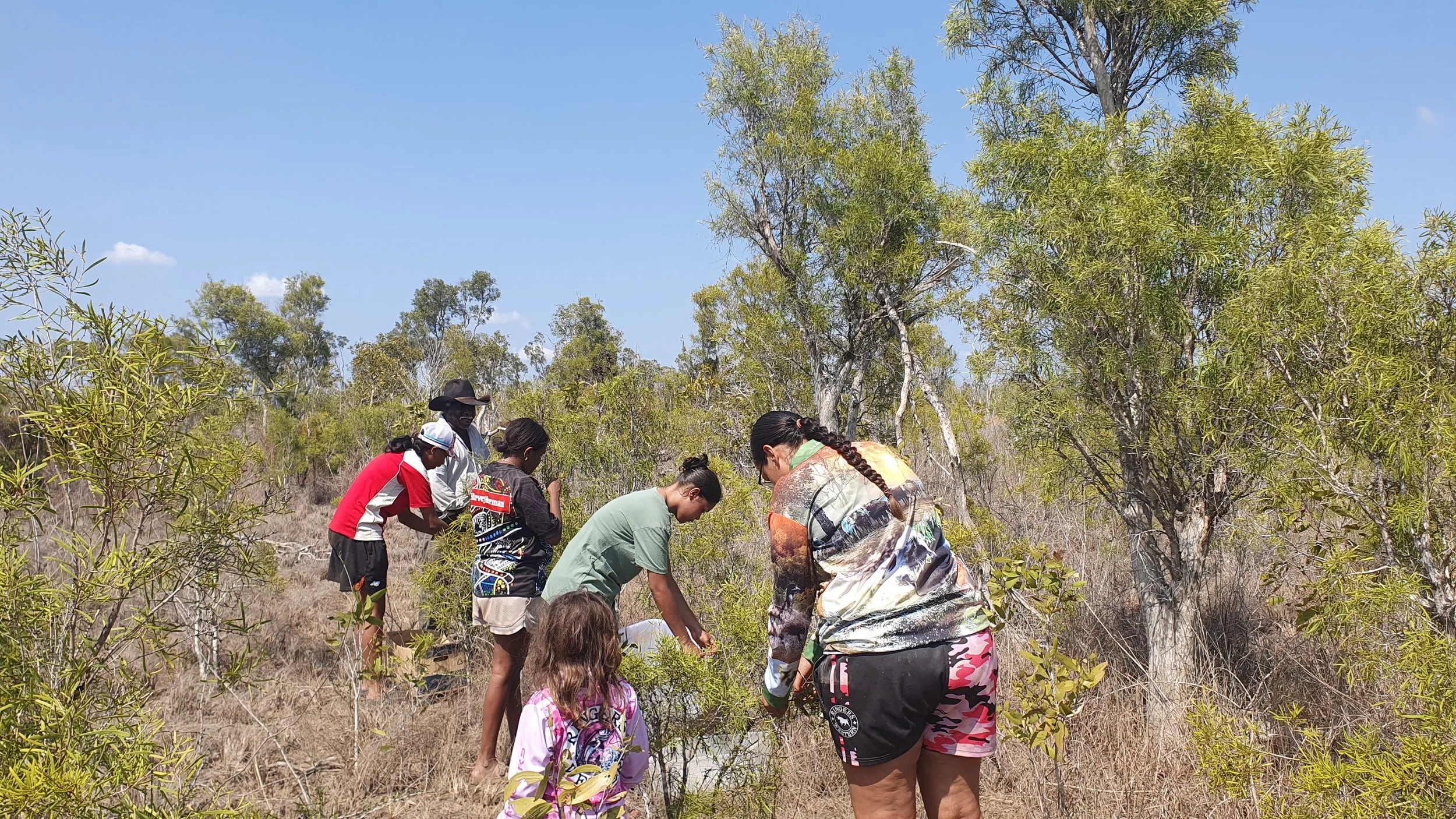
Garawa Country Bush Tucker - learning and working on Country
Delivered by: Seven Emu Station, Gulf of Carpentaria
Rejuvenate Garawa plant species, pass on traditional knowledge, and explore the potential for bush foods to supplement or diversify income beyond cattle. This project will engage four at-risk Garawa youth for four months, providing hands-on experience re-learn indigenous methods and appreciate the value of working with the land.
The youth worked at Seven Emu Station from October last year. Due to the participants skills, knowledge learned, work they experienced, the Hub has extended the project for this dry season, enabling more youth to participate and learn from Frank Shadforth OAM and his family, Traditional Owners of Seven Emu Station.
First Nations Projects

Arid Graze Paddock Challenge in Central Australia
Delivered by: NT Department of Livestock Industries
The Paddock challenge puts pastoralists against researchers to see who can pick the best stocking rate for a selected area of land. Researchers value long-term pasture condition, but pastoralists need the bottom line!
This project will continue the paddock challenge in central Australia and collect further data to refine vegetation models. In northern Australia, with FDF Funding, the NT Govt established commercial-scale demonstration sites to facilitate practical discussions of grazing land management.
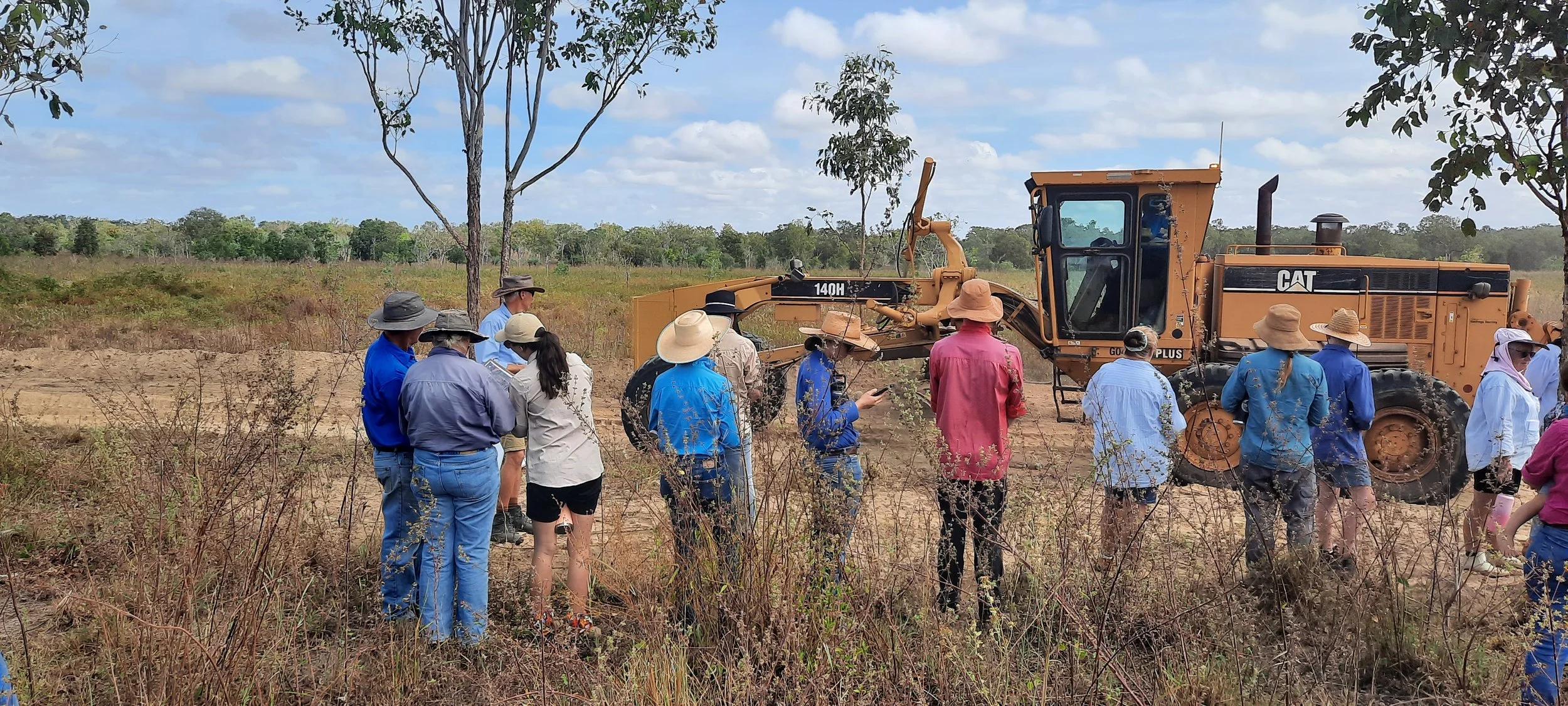
Rehydration Workshops restoring landscapes
Delivered by: NT Farmers & Gascoyne Pilbara Rangelands Initiative
Many landholders are curious about earthworks that reduce runoff and restore landscape hydrological function. This activity will engage the locally respected expertise of Col Stanton and Daryl Hill to deliver workshops, mostly in WA.
Landholders can benefit from applying practices and methodologies around earthworks that reduce runoff and restore landscape hydrological function.
Gascoyne Workshop 2026 - November date TBC
More information: email david.gallacher@cdu.edu.au
Knowledge Exchange
Quantifying Community Resilience in the NT
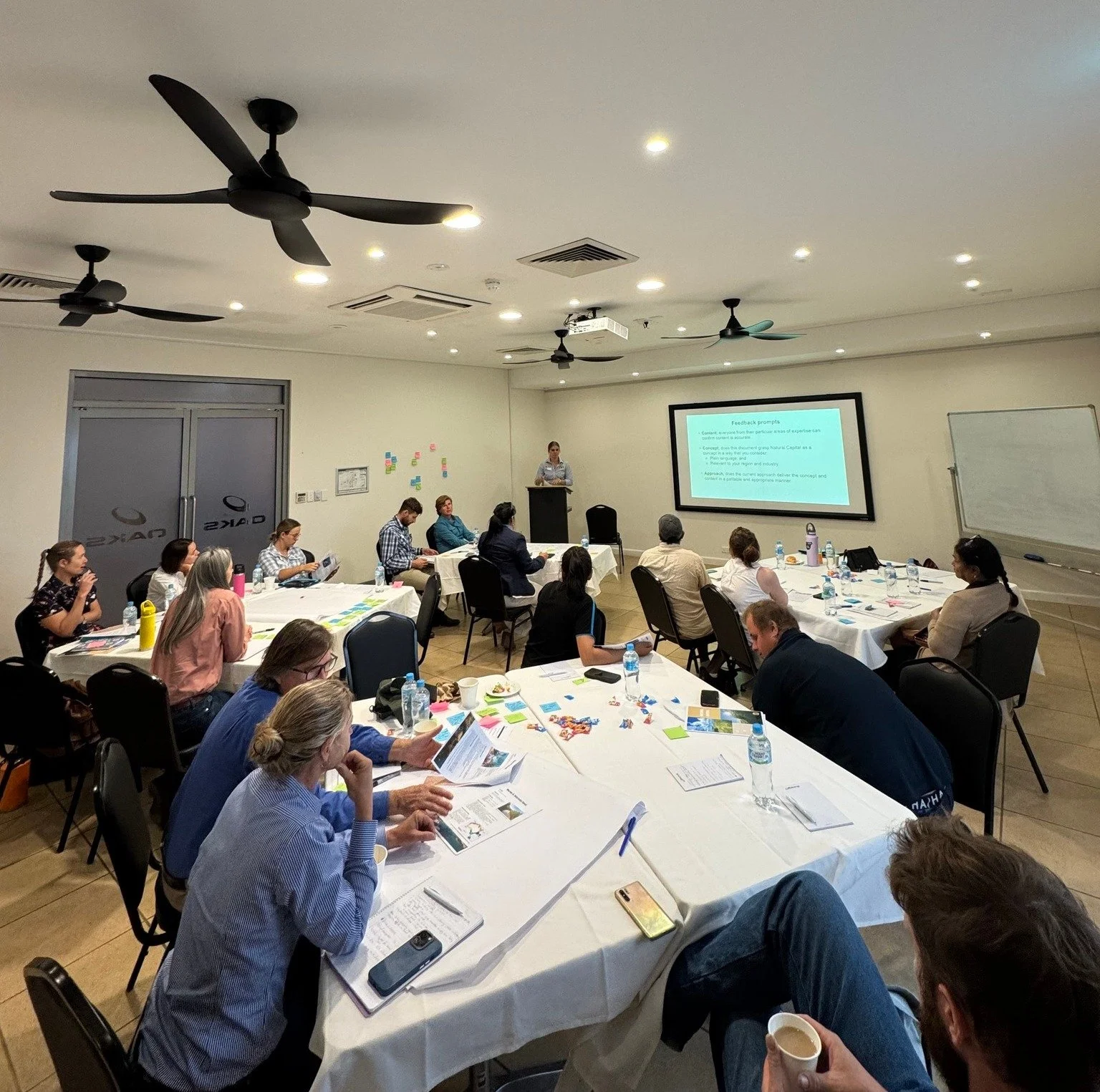
Delivered by: University of Canberra/ Northern Hub
Early Insights into Resilient Communities — Work That Matters Now More Than Ever
The resilience of regional and remote communities can change rapidly when events such as drought, bushfire, cyclone or flood occur. This project will adapt the Early Indicators Insights Dashboard model developed in NSW for the NT. (www.communityresilienceinsights.org.au)
The dashboard visualises indicators of resilience to change in communities. For each indicator, the dashboard helps users understand both current levels of resilience and change in resilience over time.
Why? - right now, the NT simply doesn’t have this kind of data.
For landowners and pastoralists, having access to solid evidence is invaluable. It strengthens funding applications, supports disaster recovery efforts, and helps demonstrate both the immediate and long term impacts of floods, fires, and other natural events. It gives communities a stronger voice when they need it most.
The Early Insights into Resilient Communities project is helping fill that gap.
How was this data gathered? In March, our Hub Manager Dave Gallacher and University of Canberra partner held workshops in Darwin, Katherine, Tennant Creek and Alice Springs, so they could speak directly with Territorians about what really defines a community’s resilience. What indicators matter? What data do we need to understand how prepared towns and regions are — not just for natural disasters but for the economic and social pressures that shape liveability in northern Australia?
For more information on this project: jacki.schirmer@canberra.edu.au
Planning for Resilience: A Property-Level Approach for the Gascoyne and Pilbara
Delivered by: Gascoyne Pilbara Rangelands Initiative (GPRI)
Translate regional priorities coming from the Pilbara and Gascoyne Drought Resilience Plans, into practical, station-scale action.
This project will develop a drought strategy guide and a drought planning tool, both ground-tested locally. Click below for completed guide.
The RESOURCE PLATFORM brings together more than 100 tools, reports, case studies, training materials and practical guides to support pastoral businesses with drought and seasonal planning.
Resources can be filtered by resource type and focus area, including business, climate, landscape, livestock and people.
Connect on Facebook/GPRI